

North Dakota Window Frame Staining: Protecting Wood Casement & Double-Hung Windows
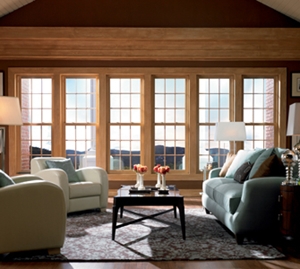
North Dakota window frame staining is not just about color. It is about keeping casement and double-hung windows tight, smooth, and beautiful through deep freezes and humid summers. At Precision Wood Finish, we use factory-quality spray systems and precision sealing to block moisture at sash joints and frame edges. To see how our windows service fits your home, explore our windows page or call 701-751-2848.
Why Wood Windows Need Pro-Level Protection in North Dakota
Our climate swings hard. Subzero wind chills dehydrate wood in January, then July humidity pushes moisture back into the grain. That movement opens micro-gaps at stile-to-rail joints, glazing edges, and muntins. When warm interior air hits a cold sash, condensation collects in corners and seeps into any exposed end grain.
Casement windows take driven rain on the hinge side and at the top rail. Double-hung windows face friction at tracks and meeting rails that can wear finish thin. Without a sealed system, you see gray patches, sticking sashes, drafty gaps, and black spotting where moisture has lingered. **Interior condensation lines around sash corners are early warnings.**
How Factory-Quality Spray Stains Shield Delicate Millwork
Brushes are great for trim, but complex window profiles demand even coverage inside beads, rabbets, and tight corners. Our spray approach atomizes stain and sealer so the finish reaches inside millwork details that bristles skip. The result is uniform color, stable moisture resistance, and a smooth film that sheds water.
We pair a penetrating stain with a catalyzed sealer and a UV-protective topcoat designed for seasonal movement. That stack resists checking and helps the sash glide. **Spray-applied finish levels protect delicate millwork better than brush-only coats.** It also reduces visible lap marks on muntins and around hardware recesses.
Casement Window Preservation: Sash Joints, Hinge Side, and Weatherstrip Seats
Casements are beautiful workhorses around the Missouri River Valley and the open prairie. They swing outward, so the hinge stile and top rail get the first hit from rain and wind. We focus on:
- End grain at the top rail and bottom edge, where water wants to wick in.
- Stile-to-rail joints that flex as seasons change.
- Hinge mortises and hardware recesses that collect moisture.
- Weatherstrip seats that must remain clean and protected for a tight seal.
Our finish system creates a continuous barrier along these stress points. **Never leave end grain unsealed**. That is where swelling starts, paint or stain lifts, and drafts creep in on the hinge side.
Double-Hung Window Preservation: Rails, Stiles, and Meeting Rails
Double-hung sashes slide, meet, and lock, so the finish must be thin, hard, and even. We build protection on:
- Meeting rails and check rails where the air seal lives.
- Side stiles and tracks that experience constant movement.
- Glazing putty lines and muntin edges that face sun and glass heat.
- Sill and stool transitions where condensation can pool in winter.
When these areas are sealed as a system, you avoid fuzzy grain, rattles, and sticky movement after a cold snap. The goal is a tight lock, smooth travel, and a warm interior surface that resists condensation streaks.
The Pro Staining Process We Use for North Dakota Homes
Every home is different, whether you are near Bismarck’s Cathedral District, in Mandan, or on a rural property in Burleigh County. We tailor our approach to window design, exposure, and season. Here is how our team protects wood windows without disrupting your routine:
- Moisture and finish assessment that looks for gray wood, lifted grain, and open joints.
- Surface prep to create a clean, sound base while protecting panes, hardware, and surrounding finishes.
- Precision spray application of stain, followed by a catalyzed sealer and a durable topcoat suited to our freeze–thaw cycles.
- Targeted sealing at sash corners, stile-to-rail joints, frame edges, and end grain to stop moisture migration.
- Reassembly, smooth operation checks, and a final inspection for even sheen and clean sightlines.
If you want a deeper look at interior finishing for trim and millwork beyond windows, our wood finishing service explains how controlled spray systems deliver a furniture-grade look throughout the home.
Cold snaps can hit fast. A small gap at a sash corner in October becomes a draft by January. Schedule finish maintenance before the first frost to lock out moisture and protect against rapid freeze–thaw movement.
Sealing Sash Joints and Frame Edges the Right Way
Protection fails where the wood changes direction. That means stile-to-rail joints, the bottom sash edge, and frame returns deserve special attention. We build a uniform film over these transitions and keep weatherstrip seats clean so the seal stays tight. **Pay special attention to sash corners where condensation tends to collect.**
Edge sealing matters on both interior and exterior faces. Interior humidity in winter drives moisture into a cold sash from inside the home. Exterior wind and rain push from the other side in spring and summer. A balanced, flexible finish handles stress from both directions without cracking.
Local Climate Factors That Stress Wood Windows
Homeowners from Lincoln to Washburn see patterns that repeat every year:
- Rapid temperature drops create contraction that opens joints right where water likes to sit.
- Summer sun on south and west exposures bakes thin finishes, causing early chalking and color fade.
- River valley winds drive rain against casements, especially on the hinge side and top rail.
Our coatings are selected for UV resistance and elasticity so the film bends with your sash. We also adjust sheen to match interior design and visibility needs, which helps hide minor wear from daily use.
Signs Your Wood Windows Need Staining and Sealing
Spotting these early keeps repairs simple and preserves the character of your original millwork:
- Gray or dull patches along bottom rails or meeting rails
- Sticky movement or rattling that was not there last season
- Drafts at corners or along the check rail
- Condensation tracks, black spotting, or lifted finish at sash corners
- Color fade on sun-facing muntins and rails
When you notice any of these, it is time to talk with a pro who understands staining casement windows and double-hung window preservation in our climate. You can review related insights on our blog on wood staining for more background on care timelines and finish choices.
Why Homeowners Choose Precision Wood Finish
We focus on craftsmanship that stands up to North Dakota’s extremes. Expect consistent color, a smooth hand, and a sealed system that resists drafts and moisture. Our crews protect adjacent surfaces, manage dust and odor, and keep your home running while we work. **Schedule before the first hard freeze** so the finish can cure under stable conditions.
If you want a quick overview of our services and to learn more about window frame staining in north dakota, start at our home base and explore recent projects and service details.
Where We Work in North Dakota
We regularly serve homeowners in Bismarck, Mandan, and Lincoln, and we work across nearby communities like Menoken, Wilton, and Washburn. From historic double-hungs to modern casements with narrow profiles, our finish systems respect the original look while adding durable protection.
Protect Your Casement and Double-Hung Windows Before Winter
Ready to stop drafts, block condensation damage, and keep your wood windows looking sharp all year? See how our approach fits your home on our windows page or call 701-751-2848 to schedule a visit with Precision Wood Finish.