

Wood Finishing in Bismarck, ND: Top 10 Wood Species We Finish Most and the Stains We Pair With Them
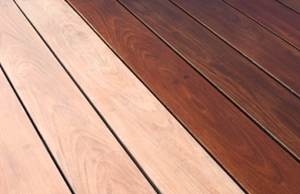
If you are choosing a stain color in Bismarck, ND, the wood species is half the decision. The other half is how it is finished. This guide shows how we pair tried-and-true stains with the 10 species we see most in local homes, from Highland Acres to the Cathedral District, so your floors, doors, and cabinetry look consistent and last.
To see how these choices come to life, explore our process for wood finishing in Bismarck, ND. The right finish brings out character, controls color, and protects against our dry winters and bright summer sun.
How We Match Stain To North Dakota Woods
In our climate, long heating seasons can dry indoor air and shift wood tone slightly over time. That is why we finish in a controlled shop environment, then seal the look you want before installation. We also tailor the chemistry to the species. Close-grained woods often prefer dyes and toners for smooth color, while open-grained woods respond well to pigments and glazing for depth.
We consider three factors before recommending a stain: the wood’s natural color, its pore structure, and the lighting in your space. North-facing rooms in neighborhoods like North Bismarck may lean cooler. South and west exposures around Mandan and Lincoln can push finishes warmer.
The Top 10 Wood Species We Finish Most In Bismarck
1) Red and White Oak
Oak’s open grain makes stains read rich and dimensional. Classic pairings include medium browns for a timeless trim package and golden tones for doors that play well with existing floors. For a modern look, we often use cool taupes or desaturated browns that tame the red in red oak and highlight ray fleck in white oak. When homeowners ask for extra “grain pop,” we recommend a controlled dye base with a wiping stain or a subtle glaze to accent pores.
2) Maple
Maple is smooth and close-grained, which can show uneven color if the wrong product is used. We favor translucent dye stains and toner coats for even, clean color in light naturals, sands, and tasteful grays. Medium browns can work too, but we keep them balanced so doors, stair parts, and moldings do not look muddy. Avoid heavy pigment loads on maple if you want crisp, even tone.
3) Alder (Including Knotty Alder)
Alder brings a soft, welcoming warmth with natural character marks. It stains easily but can darken faster than you expect if the product is too strong. Our most requested pairings in Bismarck are warm mid-browns with a gentle glaze for depth, or lighter browns that keep knots visible without looking rustic.
Alder vs. Hickory Character: alder is softer with subtle grain and scattered knots, ideal for cozy kitchens from the Cathedral District to Highland Acres. Hickory is harder and dramatic. If you love a smoother, calm surface that still feels handcrafted, alder wins. If you want bold contrast and movement, hickory leads.
4) Hickory
Hickory’s dramatic color variation delivers energy to a room. Clear or very light natural stains let the dark and light bands speak. For homeowners who want to reduce contrast, a light neutral brown can pull the palette together. When you want extra definition, controlled grain pop techniques like a dye-and-wipe sequence or soft glazing can emphasize figure without turning stripes harsh. Keep topcoats satin or matte if glare is a concern on large staircase runs.
5) Cherry
Cherry starts warm and deepens naturally with light. We steer many Bismarck clients toward light cherry, cinnamon, or light brown tones that respect the species’ natural shift. Heavy dark stains can flatten cherry’s glow. If you need a slightly cooler read to pair with painted elements, a subtle neutral brown helps balance warmth.
6) Walnut
Walnut looks premium even with a clear finish. We often seal it natural or use a very light walnut tone to unify boards. Going too dark can hide figure and make rooms feel smaller, especially in lower-level spaces with limited daylight. If you love contrast, pair clear walnut with painted surrounds rather than darkening the walnut itself.
7) Pine
Pine is friendly and familiar around Bismarck, especially on tongue-and-groove and doors. Its soft earlywood can take color faster than latewood, so we choose finishes that even out absorption. Light honey, wheat, or driftwood tones are popular. Mid-to-dark colors are possible when the surface is prepped and sealed correctly, but we focus on balance so knots stay attractive, not spotty.
8) Birch
Birch behaves like maple with a slightly different glow. It likes translucent color. We see success with pale naturals, beachy taupes, and light browns that do not cloud the figure. For contemporary trim, a cool greige can keep things neutral without turning gray and flat.
9) Ash
Ash shows bold grain like oak but with its own personality. It pairs beautifully with modern mid-browns, graphite-leaning browns, and soft natural finishes that light up the cathedral grain. When clients want striking texture on bar tops or stair treads, we consider a light dye then a wiping stain to darken the pores. This combo reads crisp under Bismarck’s bright afternoon light.
10) Poplar
Poplar is usually paint-grade, yet it can pass for a “light walnut” look when toned properly. If you want a softer, muted brown with minimal grain distraction for built-ins or mudroom lockers, poplar can deliver a budget-friendly option with a refined finish. We keep colors on the lighter side so green undertones do not peek through.
Quick Pairings Homeowners Love In The Bismarck Area
- Red oak: medium brown with gentle glaze for doors and trim in traditional homes.
- White oak: natural or light taupe for modern floors and clean-lined cabinetry.
- Maple: translucent sand or light gray for bright kitchens in North Bismarck.
- Knotty alder: warm mid-brown with a soft glaze for cozy Cathedral District kitchens.
- Hickory: clear satin for bold stair systems and high-traffic areas.
- Cherry: light cherry that matures gracefully under normal indoor light.
- Walnut: clear or whisper-brown to protect figure without closing it down.
- Pine: honey or driftwood for cottage ceilings and accent walls.
- Birch: light brown or greige that stays even under mixed daylight.
- Ash: neutral mid-brown with dye-first for crisp, graphic grain.
Alder vs. Hickory: Which Character Fits Your Space?
If you prefer a smooth, welcoming feel, alder is the pick. It pairs well with warm metals and soft whites and looks great in homes from Highland Acres to Northwestern Bismarck. If you want movement and contrast that stands up to active families, hickory’s hardness and streaked character shine on stair systems and entry doors. When in doubt, we bring labeled samples so you can see each in your room’s light before choosing. For more context on why real wood ages well and adds value, scan our short read on the real benefits of real wood.
Color Planning For Your Bismarck Home
Color should support the space you live in every day. In open-concept plans common in new builds near Lincoln, keep large surfaces like floors and trim in the same family so rooms flow. In older homes around the Cathedral District, unify mixed woods with related stains that share undertones. You can use a lighter tone on doors and a slightly deeper tone on stair rails for depth without clashing.
Lighting is the quiet boss. Northern light cools finishes. West windows add warmth in the evening. Bring samples to the space or ask us to test boards so you can see morning, midday, and evening color shifts. Never judge stain color under shop lights alone if it will live in warm, late-day sun.
Craft That Keeps Its Color
Finishing is more than a single coat. We fine-tune color and seal it in a sequence built for your wood. That is how we keep maple from looking blotchy, walnut from going dull, and oak from turning brassy. If you are new to our work, browse our approach to professional wood finishing in Bismarck so you know what to expect from start to finish.
Smart Combinations That Work Around Bismarck
- White oak trim with light taupe on doors and a slightly deeper taupe on stair rails for subtle contrast.
- Knotty alder cabinetry with a warm mid-brown, paired with painted island bases to break up mass.
- Hickory stairs kept natural, with neutral walls and matte topcoat to reduce glare.
- Walnut mantels left clear against soft white shiplap for clean contrast in living rooms.
If you are matching new pieces to existing finishes, we color-map undertones first, then target them with dyes, stains, and clear coats so the final room feels intentional. That is especially helpful when adding built-ins or replacing a few doors in established neighborhoods where floors and trim already have a story.
Want a quick overview of our company and services? You can always start with our wood finishing in Bismarck, ND team page and then drill into galleries and recent projects. It is a simple way to see work similar to yours before you book an in-home look at samples.